Complete Guide to Home Traction Elevators in India: Working, Features, Benefits & Cost
In This Guide
Key Takeaways
- Traction Elevators
Introduction
When planning vertical transportation for mid-rise buildings, high-rise towers, or premium residences, traction elevators remain the preferred choice for architects, developers, and consultants. Known for their speed, efficiency, and superior ride comfort, traction elevators play a critical role in modern building design.
Today, traction technology is no longer limited to commercial projects. It is increasingly adopted for home elevators, especially in architect-designed and luxury residences where performance and aesthetics go hand in hand.
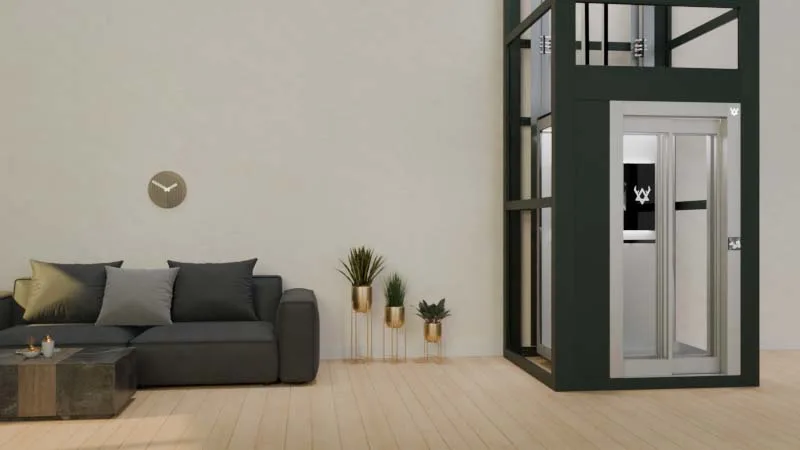
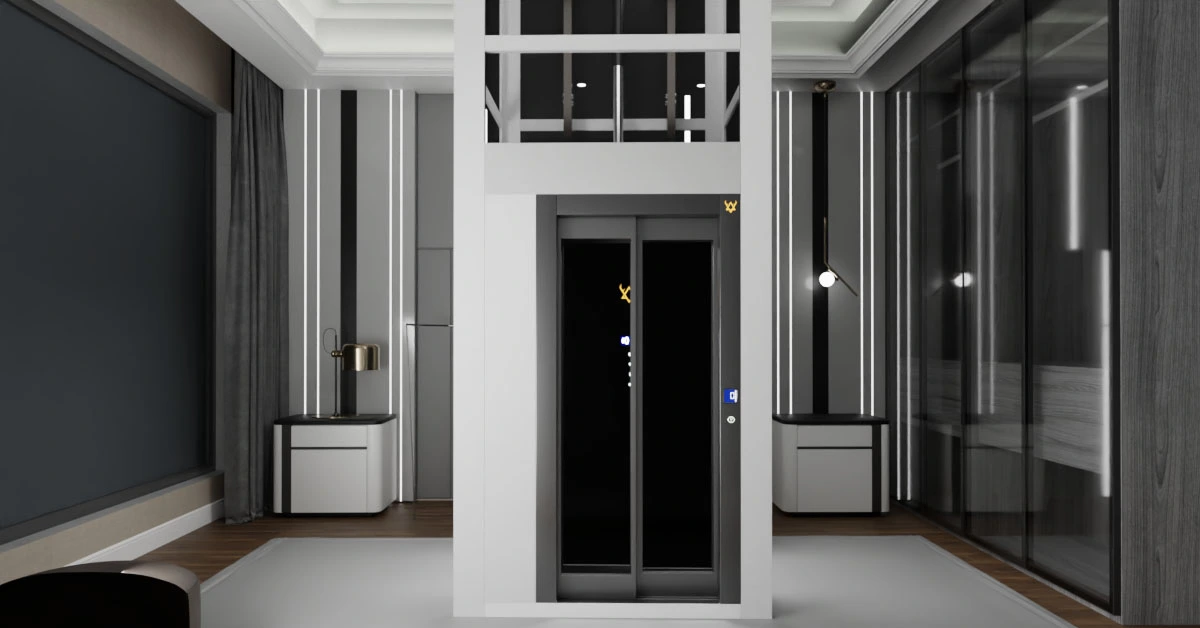
This guide explains what traction elevators are, how they work, and how to specify them correctly, while also highlighting how Stag Elevators’ SE3, and SE3 Ultra gearless traction elevators bring advanced technology into homes with a refined, custom-built experience.
What is Traction Elevator?
A traction elevator is a lift system that moves the elevator cabin using steel ropes or high-strength belts running over a motor-driven sheave. A counterweight balances the cabin, significantly reducing energy consumption and improving operational efficiency.
Traction elevators are commonly used in:
Residential apartment buildings
Commercial offices
Hotels and hospitals
Premium private homes
Compared to traditional commercial lifts, traction elevators offer better ride quality, higher efficiency, and long-term reliability—making them ideal for modern residential applications.
How Does Traction Elevators Work?
The working principle of a traction elevator is simple yet highly effective:
The elevator cabin and counterweight are connected using ropes or belts
These pass over a traction sheave driven by an electric motor
Friction between the belt and the sheave moves the car smoothly up or down
The counterweight balances the system, reducing motor load
This traction-based system ensures quiet operation, precise leveling, and consistent performance—features that are especially important for residential comfort.
Gearless Traction Elevators: The Modern Standard
Most contemporary projects now specify gearless traction elevators, especially where efficiency, space optimisation, and ride comfort matter.
A gearless traction elevator uses a motor directly connected to the sheave, eliminating the gearbox. This results in:
Higher energy efficiency
Noise and vibration-free travel
Smoother acceleration and deceleration
Reduced maintenance
Compact layouts suitable for homes
For homeowners and architects seeking refined performance, gearless home elevators such as Stag’s SE3 series offer an excellent balance of reliability, compact design, and smooth operation.
Stag Elevators Residential Traction Solutions: SE3 & SE3 Ultra
At Stag Elevators, traction technology has been thoughtfully adapted for residential living through the SE3 gearless home elevators and SE3 Ultra gearless home elevators.
These systems use advanced traction-based belt drive technology, delivering an exceptionally smooth and silent ride. Designed specifically for homes, SE3 and SE3 Ultra combine engineering precision with luxury aesthetics.
Why SE3 & SE3 Ultra Stand Out
Gearless traction motor for silent performance
Advanced belt drive traction technology
Compact design suitable for private residences
Energy-efficient and future-ready
Built for comfort, safety, and everyday use
For premium homes, ultra gearless home elevators like SE3 and SE3 Ultra provide commercial-grade performance with residential-scale elegance.
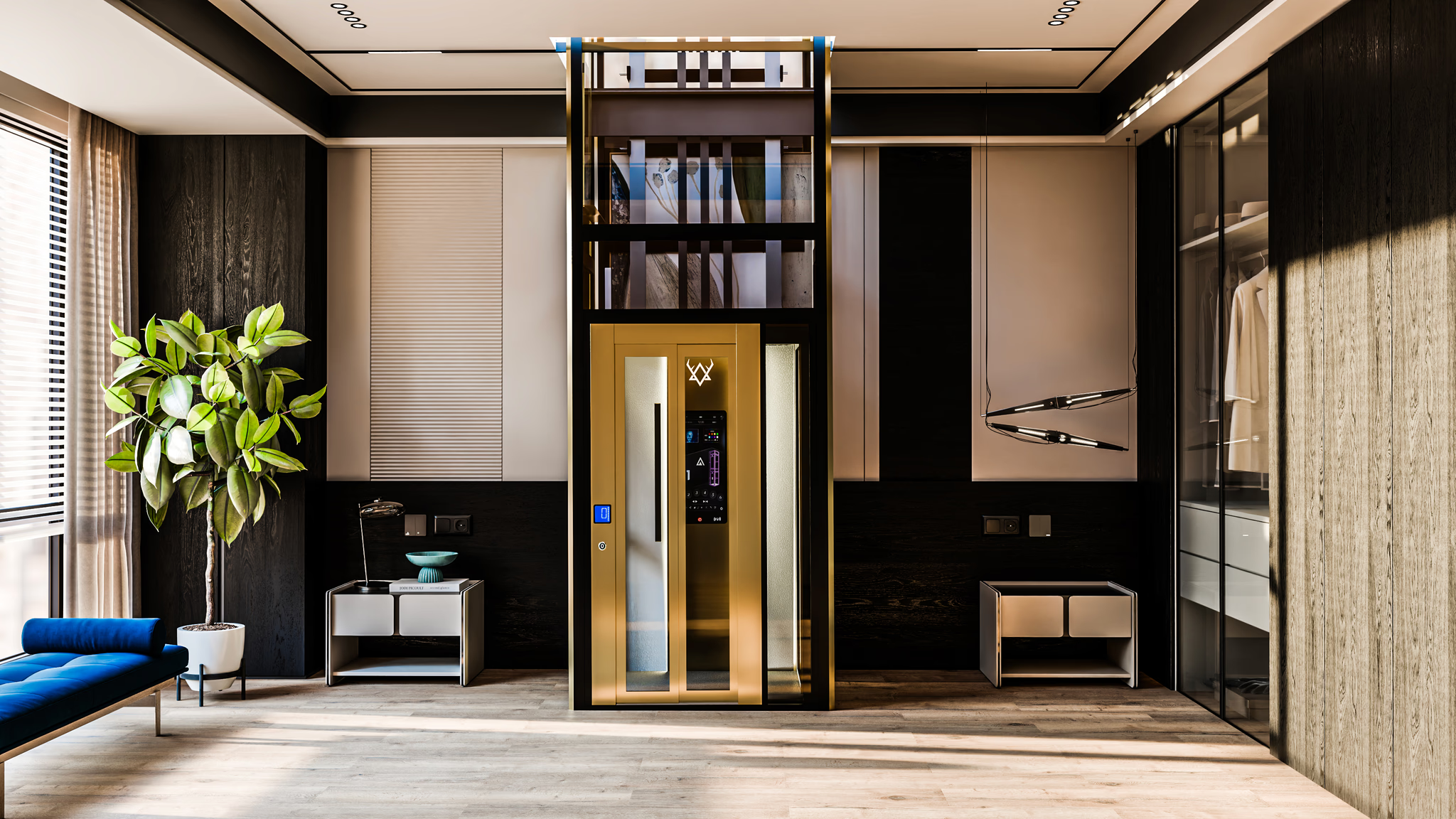
Luxury Interiors and Complete Customisation
Beyond performance, Stag Elevators places strong emphasis on design and interior experience.
With SE3 and SE3 Ultra, the elevator cabin feels less like a functional element and more like a luxury interior space. Every detail can be customised, including:
Cabin finishes and materials
Lighting concepts
Control panels and fixtures
Flooring and ceiling designs
This flexibility allows architects and homeowners to integrate the elevator seamlessly into the home’s overall design language—modern, minimal, or classic.
Why Architects and Real Estate Developers Choose Traction Elevators for Homes
From a planning perspective, traction elevators offer several advantages:
Superior ride comfort for daily residential use
Space-efficient layouts with modern designs
Long-term reliability
Higher perceived value for luxury homes
Compared to conventional Commercial lifts, traction elevators elevate both functionality and lifestyle appeal.
How to Specify Right Traction Elevator
1. Load Calculations and Capacity Planning
Consider:
Number of users
Frequency of travel
Future mobility requirements
Correct planning ensures comfort without oversizing.
2. Speed and Ride Quality
For homes, smooth movement and quiet operation matter more than speed—an area where gearless traction systems excel.
3. Shaft and Structural Coordination
Early coordination helps avoid late-stage civil changes and ensures optimal installation.
Cost Considerations, Pricing & Long term Value of Traction Elevators
The overall home elevator price depends on multiple factors such as load capacity, number of stops, shaft structure, travelling height, interior customisation, safety certifications, and the type of drive technology used.
Among all available options, gearless traction elevators represent the most advanced and superior technology in today’s residential lift market.
Typically, traction home elevator prices in India start from around ₹20 lakhs and may vary based on the number of floors served, travelling height, and technical configuration.
At Stag Elevators, this starting price is thoughtfully designed to be all-inclusive — covering complete installation, TÜV SÜD–certified safety systems standard customisation,and full system configuration with no hidden or extra charges. Homeowners can freely choose cabin finishes, layouts, and design elements based on their preferences, ensuring a fully personalised elevator solution that meets international safety standards without any additional cost surprises.
Traction technology offers:
Ultra-smooth and silent operation
Higher energy efficiency
Longer system lifespan
Superior ride comfort
Higher property resale value
At Stag Elevators, this long-term value is further strengthened with unmatched maintenance benefits:
SE3 Model – Comes with 10 years of zero AMC (Annual Maintenance Cost)
SE3 Ultra Model – Comes with 15 years of zero AMC, a rare offering in the Indian home elevator segment
This means that while the initial investment may start from ₹20 lakhs or above, homeowners save substantially on maintenance and service costs over the years, ensuring predictable ownership expenses and complete peace of mind.
In the long run, choosing a Stag gearless traction elevator is not just about installing a lift — it is a future-ready investment in comfort, safety, and long-term property value.
Looking for a Premium Gearless Home Elevator?
Whether you’re planning a luxury residence or upgrading your home with advanced traction technology, Stag Elevators offers customised solutions designed around comfort, safety, and style.
📞 India: +91-9900111082
📞Dubai: +971-567894252
📧 Email: info@stagelevators.com
🌐 Website: https://stagelevators.com
Our experts will help you choose the right traction elevator based on your space, design vision, and budget.
Final Thoughts
Understanding what traction elevators are and how they work is essential for architects, developers, and homeowners planning modern residences. With advancements in gearless technology, traction elevators are now perfectly suited for private homes.
With SE3 gearless home elevators & SE3 Ultra gearless home elevators, Stag Elevators combines advanced traction-based belt drive technology, luxurious interiors, and complete customisation—offering a vertical mobility solution that feels refined, seamless, and built for modern living.
Frequently Asked Questions
1. Which is better, a hydraulic or traction elevator?
Traction elevators are faster, quieter, and more energy-efficient, making them ideal for homes. Hydraulic lifts are slower and best for low-rise buildings. Gearless traction models like Stag SE3, and SE3 Ultra offer smooth rides and luxury interiors.
2. What are the components of a traction elevator?
A traction elevator includes the cabin, counterweight, ropes or belts, traction sheave, motor, and control/safety systems, working together for smooth and efficient movement.
3. What are the two types of elevators?
The main types are traction elevators and hydraulic elevators. Traction elevators use ropes and a counterweight, while hydraulic elevators rely on fluid pressure to move the cabin.
4. How fast is a traction elevator?
Residential traction elevators usually move at 0.75–1.6 m/s. Gearless models like SE3 Ultra ensure a smooth, silent ride even at higher speeds.
5. What is a gearless traction elevator?
A gearless traction elevator connects the motor directly to the sheave, eliminating vibration and noise. Stag’s SE3, and SE3 Ultra deliver silent operation, energy efficiency, and luxury interiors.
Ready to Install a Home Elevator in Your Home?
Get a personalized quote and expert guidance from Stag Elevators.