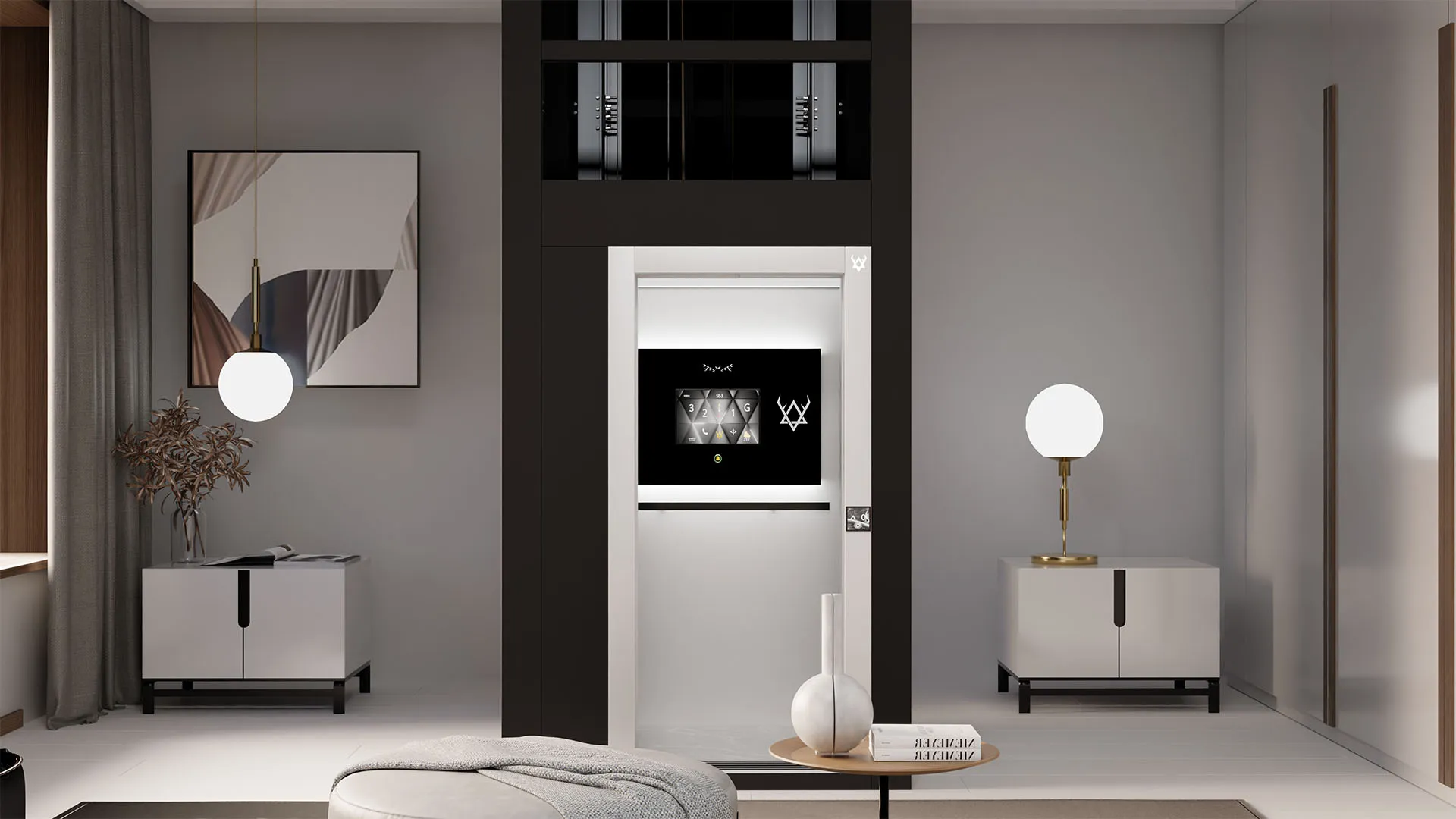
Indoor Home Lifts: A Complete Guide to Choosing the Right Lift for Your Home
Planning to Install a Home Elevator?
Let our experts help you find the perfect elevator for your home. Get personalized guidance from our team
In This Guide
Key Takeaways
- ✓ Choose a spot that is free on every floor, and walk each floor first to check.
- ✓ Pick quiet running if the shaft is beside a bedroom, and strong capacity if heavy loads matter most.
- ✓ Ask for two prices: one for the lift and one for any building work your house needs.
- ✓ Ask whether your family will use the lift daily five years from now, and plan it if the answer is yes.
- ✓ Plan early, and for wheelchair use allow a larger cabin, a wider door and turning space.
Introduction
Most people start looking for a home lift by comparing models. A better starting point is a walk through your own house.
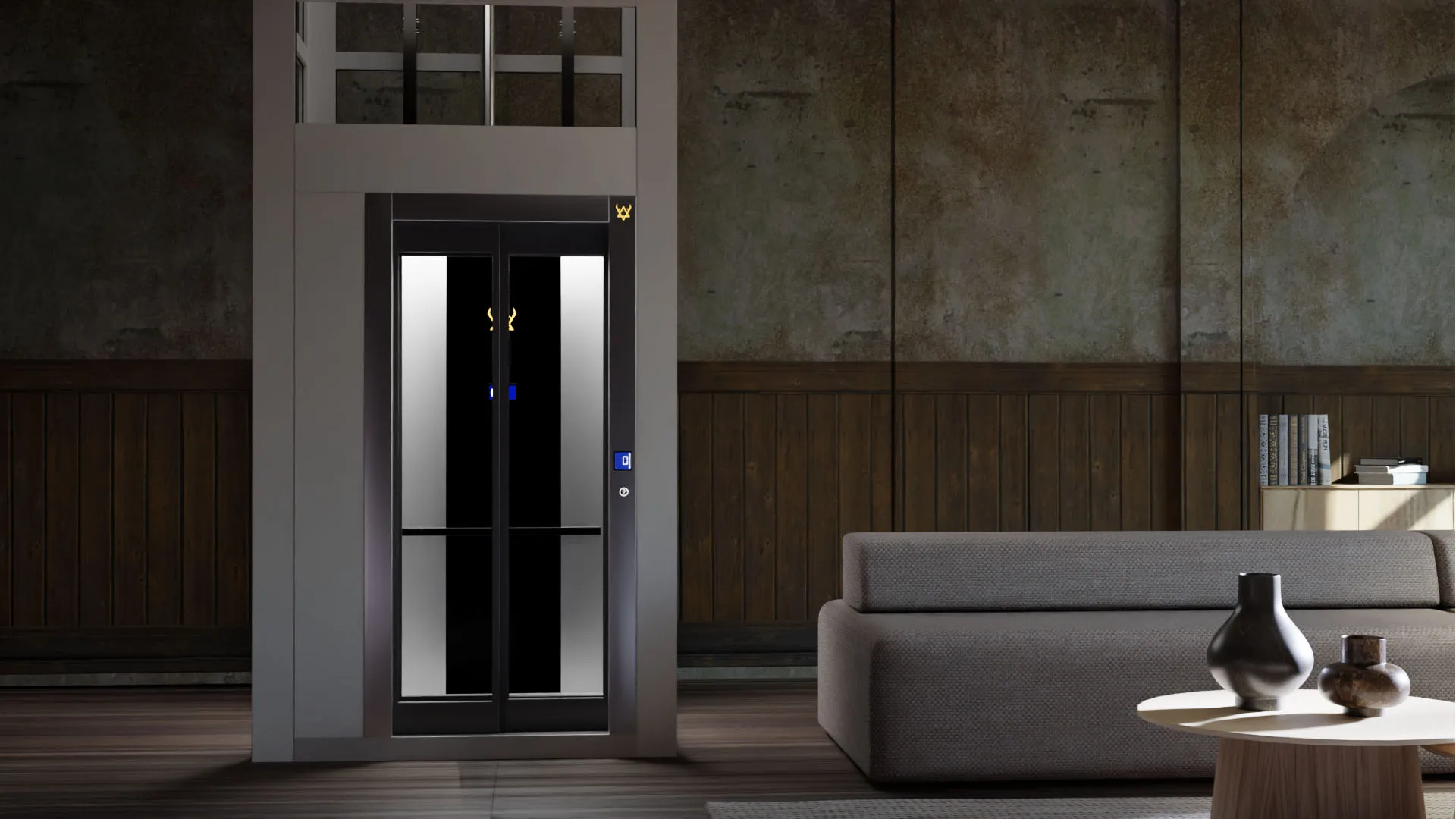
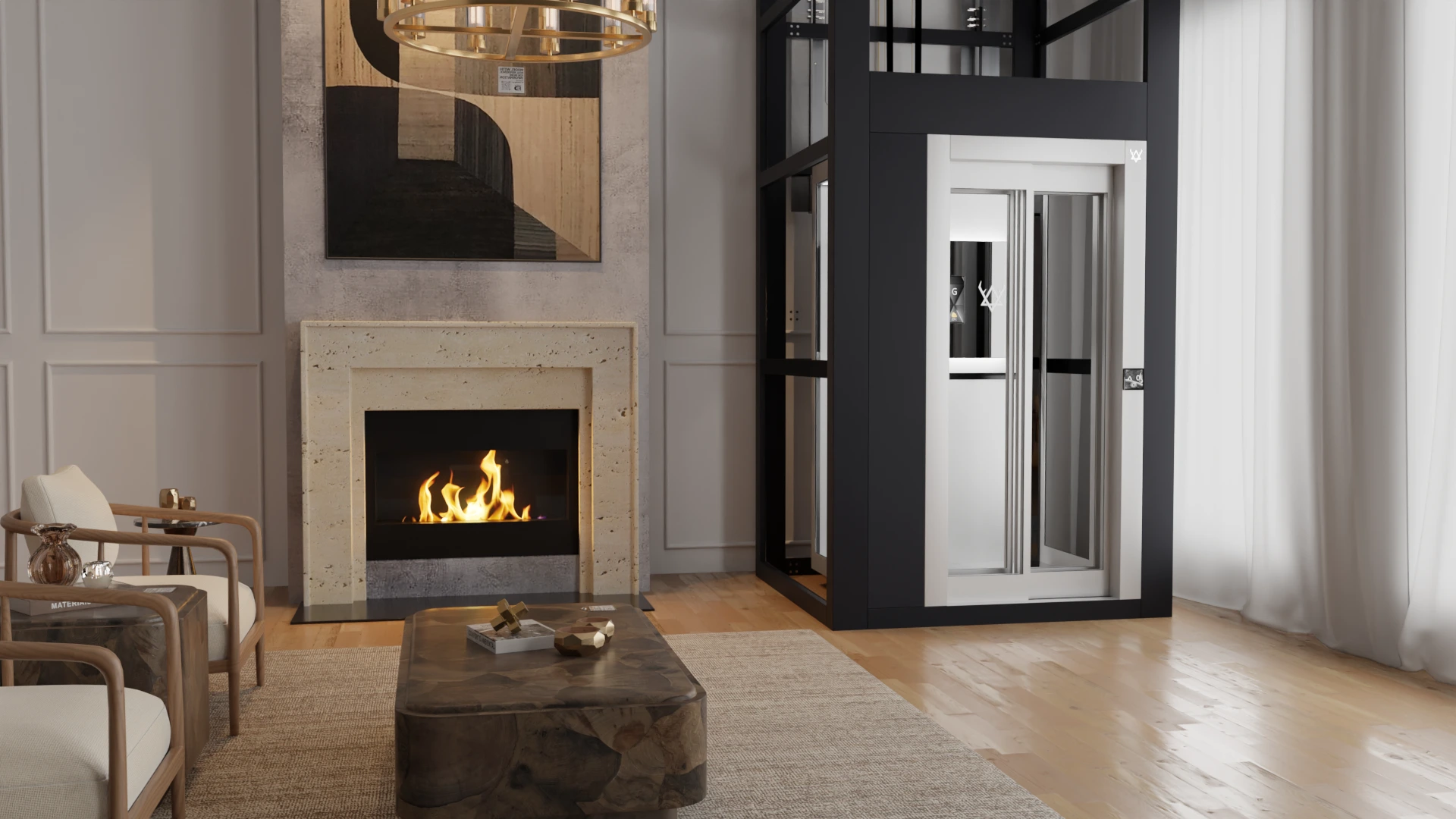
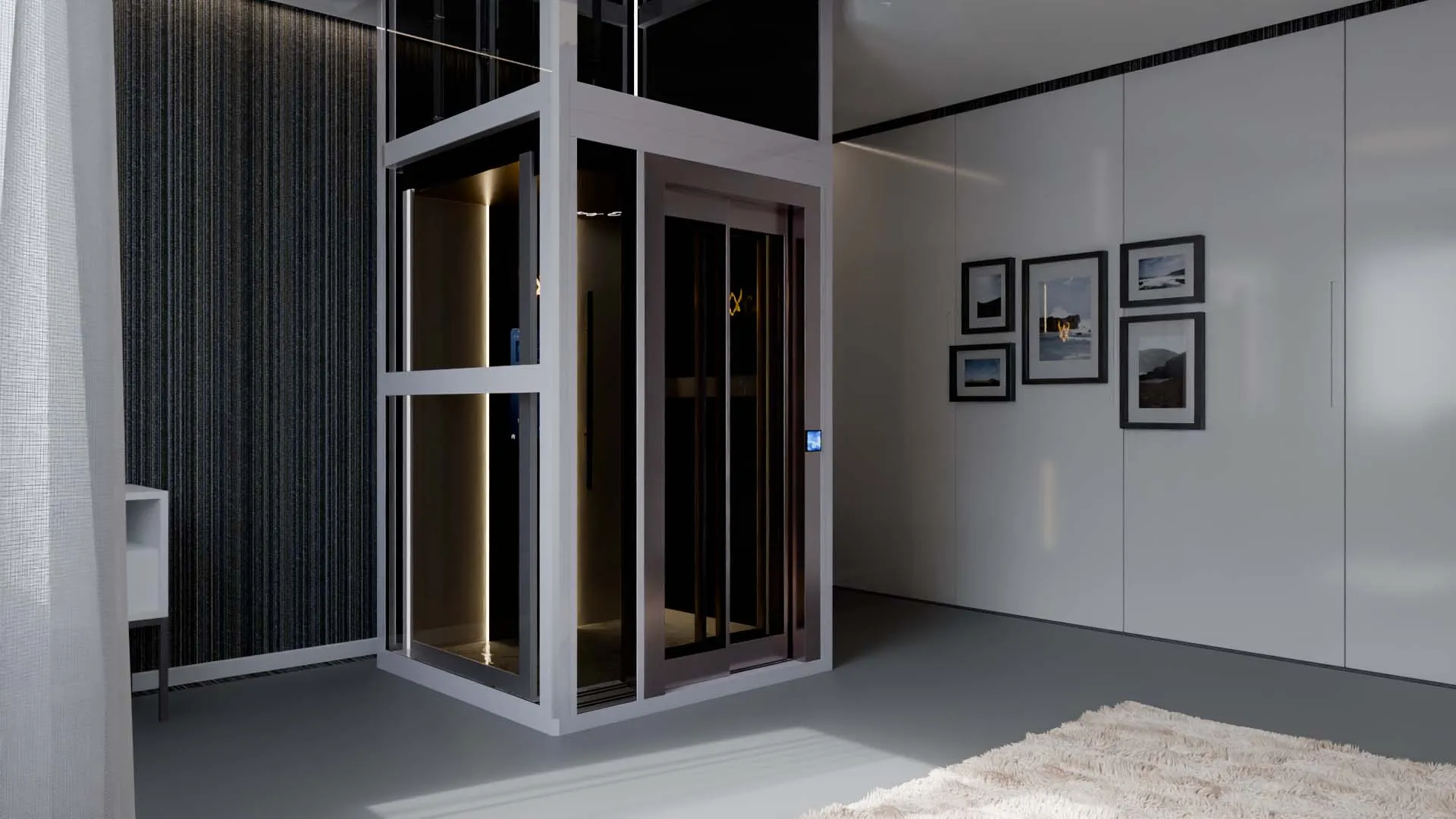
Indoor home lifts are fitted inside the house, not on an outside wall. They share floors, walls and daylight with the rooms around them. A corner that looks empty on a floor plan can turn out to hold a window, a beam or a bedroom door once you look closely.
That is why choosing an indoor elevator for home use works best in a set order. Decide where the lift can go, check how much room it needs there, and only then compare types and prices.
What Is an Indoor Lift, and Where Can It Go in Your House?
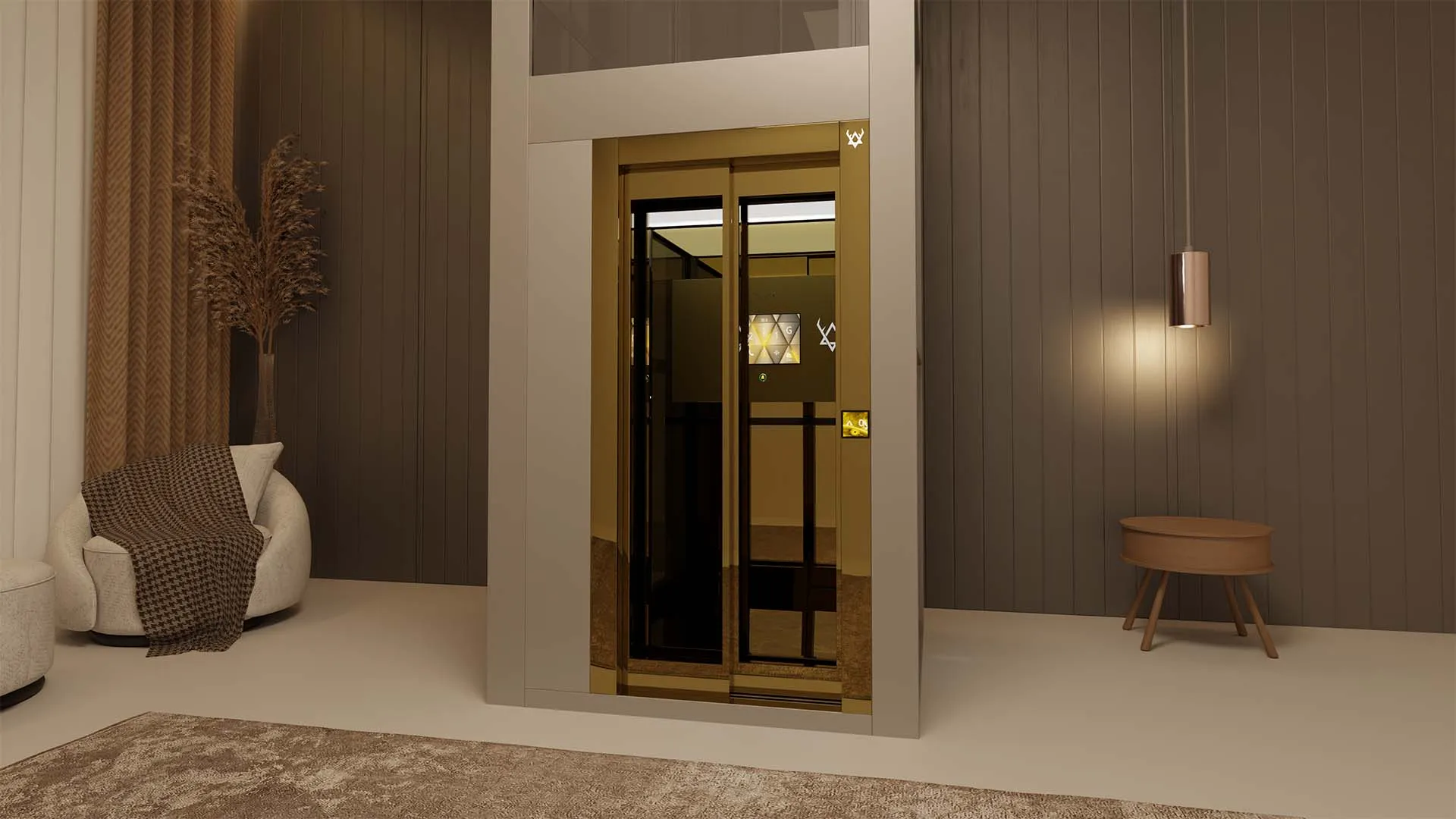
An indoor lift is a home elevator built inside the house's own structure, not on an outside wall. It runs in a shaft that stacks through every floor, so the spot you choose has to be free on all of them.
Most indoor house lifts end up in one of five places:
Placement | How it fits | Watch out for |
|---|---|---|
Beside the staircase | Uses the wall or landing next to the stairs, so floors line up | The stairs and the lift door must not block each other |
Inside the stairwell gap | Sits in the open gap where the stairs wrap around | The gap must be wide enough, and stair rails may need changes |
Corner of a living area | Takes a corner you can spare | Every floor loses that floor space, and the shaft sits close to seating |
Stacked rooms, such as closets or a utility corner | Uses a small spot that repeats on each floor | The spot must be free on every floor and clear of beams |
Planned into a new build | The shaft is included from the design stage | It must be decided before the floor slabs are cast |
Walk each floor with a tape measure before you decide. A spot that is free on the ground floor may be a wardrobe or a bedroom door upstairs. The lift also needs clear space in front of its door on each floor, not just room for the shaft.
Which Type of Indoor Lift Suits Your Home?
An indoor lift runs close to the rooms people live in. So the right type depends less on how it works than on what you will hear, feel and carry.
Hydraulic
A small hydraulic lift for home use suits houses with two or three floors and heavier loads, such as a wheelchair with a helper or bulky luggage. It rides smoothly and handles weight well. It runs quietly, though not as quietly as gearless.
Gearless (belt-drive)
This type has fewer moving parts and runs almost silently. It needs less servicing over the years. It suits houses with three or more floors and shafts beside bedrooms or living areas, where noise would be noticed.
If the shaft is next to a bedroom, lean toward a gearless lift. If load capacity matters most in a two- or three-floor house, hydraulic is the practical choice.
Are Indoor Home Lifts for Duplex Houses Worth It?
Yes, if someone in the house struggles with stairs, or if you carry things between the two floors every day. If neither is true, a lift is a comfort, not a need, and it takes floor space on both floors.
It is usually worth it when
An older parent or anyone with weak knees lives in the house, or may in the coming years.
The bedrooms are upstairs, and the kitchen and laundry are downstairs, so you climb many times a day.
You plan to stay in the house for a long time.
A simple test
Ask whether your family would use the lift every day, five years from now. If yes, plan it early, because the shaft is easier to fit in while the interiors are still open.
How Do You Plan an Indoor Wheelchair Lift in Your Home?
Plan it early, because a lift that carries a wheelchair needs a larger cabin and a wider door than a standard one. A regular home can usually fit one, provided you check four things first.
The four things to check
Cabin size: it must hold the chair and the person with room to spare, so plan for the larger end of the size range.
Door width and type: a wide opening with automatic sliding doors is easier to use than a swing door.
Turning space on the landing: the chair needs room to turn in front of the lift door on every floor.
Control height: the buttons must sit where a seated user can reach them.
If the lift is only for wheelchair use, or the space is very tight, a platform lift may suit better. It is quick to set up and takes little room.
How Much Do Indoor Lifts Cost in India?
Indoor lifts cost in India typically start at ₹15.5 lakhs to ₹35 lakhs and above. Where yours lands depends on the number of floors, the technology, the finish and how much work the house needs.
What moves the cost
Floors: each extra floor adds travel height, a landing door and more safety parts.
Technology: hydraulic and gearless lifts sit at different price points.
Finish and doors: glass panels, designer interiors and automatic doors add to the price.
Work inside the house: an existing house may need floor openings and changes to walls or stair rails before the lift goes in. In a new build, designers plan the shaft from the start, so you usually pay less to fit the lift.
The spot you choose can change the quote
Two homes using the same lift may have different prices because one may need more construction work than the other. Ask for the lift cost and installation or construction costs separately.
What Are the Best Indoor Home Lifts for Residential Homes?
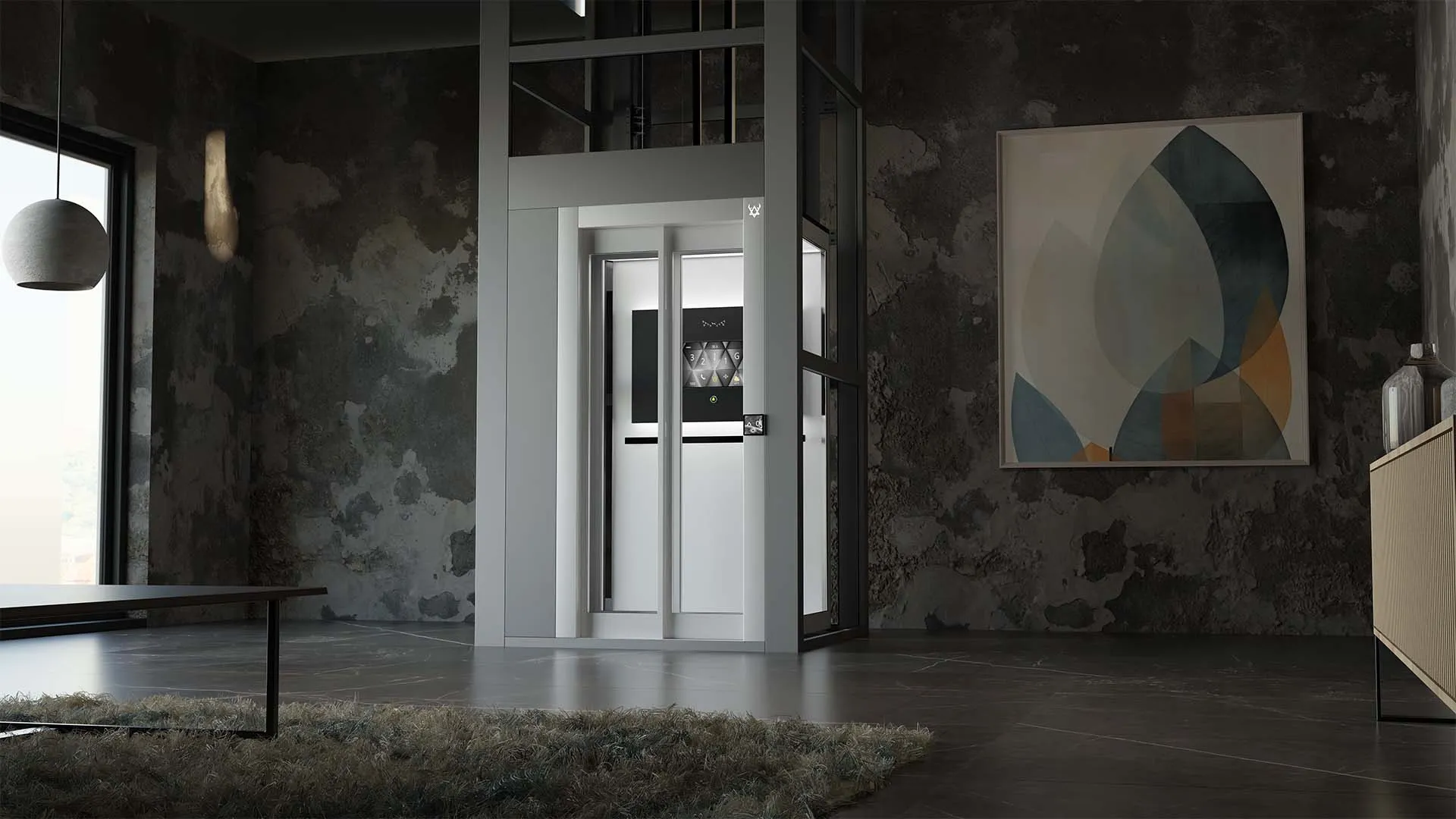
The best indoor home lifts for residential homes pass four tests: fit, noise, certification and service. Judge a lift on those four tests, not on a brochure.
The four tests
Fit: ask whether the lift can be made to your measurements, instead of picking from fixed sizes.
Noise: ask to ride a working lift, and stand next to the shaft while it runs, because that is how you will meet it at home.
Certification: ask to see the safety certificate. An independent body such as TÜV SÜD should have tested the exact model you are buying.
Service: ask who looks after the lift after handover, how quickly they respond, and what the warranty covers.
Understand your home before choosing a lift
Every home has different requirements, so the same lift model may not be suitable for everyone. A reliable lift company studies your home's layout, space and needs first, and only then recommends a model.
Why Stag Elevators are best for Indoor Home Lifts?
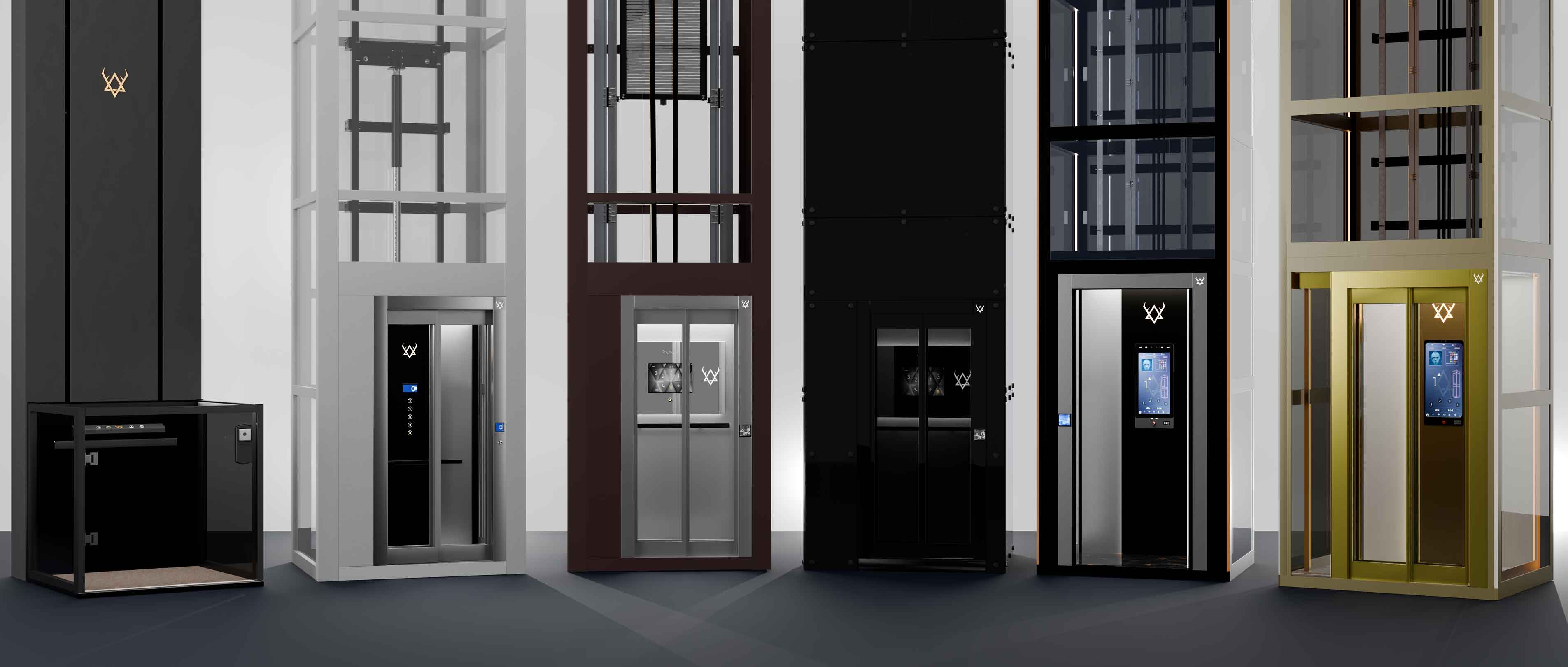
Stag Elevators build each lift around your house instead of a fixed catalogue size. That matters most for an indoor lift, because the spot, the walls and the rooms next to the shaft are different in every home.
Tailor-made to your spot: Your shaft, floor height and layout decide the design, so the lift fits the place you choose.
Quiet where it counts: if the shaft sits beside a bedroom or living area, look at Stag's Ultra Gearless home elevators. They run near-silent, need no oil or greasing, and come with zero AMC on select models.
Safety-certified: Every Stag home elevator carries TÜV SÜD certification, and each lift goes through over 194 safety checks.
One team from start to service: The same Stag team handles your lift at every step. That covers the site visit, manufacturing, installation and after-sales service.
Final Thoughts
Choosing indoor home lifts is easier when you follow a simple order. Pick the spot, check the space, then compare types, cost and certification. A good lift fits your house, runs quietly and has independent certification.
It will serve your family for years. Start with a walk-through of your own home, and book a site visit before you decide.
Frequently Asked Questions
1. Is an indoor lift better than an outdoor one?
An indoor lift stays out of the rain and heat and blends into the interiors, but it takes floor space on every floor. An outdoor lift keeps the rooms clear, but the weather reaches it and it changes how the house looks from outside.
2. What happens if the power goes out while I am inside the lift?
The cabin stops where it is. A lift with a battery backup can take you to the nearest floor and open the door. You can also press the alarm button to call someone in the house. Stay calm, use the alarm, and do not try to open the door yourself.
3. Does a lift inside the house need a special power connection?
Many compact home lifts run on a standard single-phase supply, which most Indian homes already have. Ask the company for the lift's power rating and whether it needs its own circuit. Share this with your electrician before installation.
4. What should I prepare before a site visit?
Your preferred spot on each floor, the number of floors, and a floor plan if you have one. The team measures floor height, space and power supply during the visit.
5. Do Stag Elevators offer lifts for wheelchair users?
Yes. Stag's SE-1 platform lift is designed for wheelchair access, and the SE-3 Ultra's product page lists wheelchair use. Stag's team sets the cabin and door sizes to your needs at the design stage.
6. Can I add an indoor lift to a house I have already built?
Usually yes, if one spot is free on every floor. It may need floor openings and changes to walls or stair rails, so a site visit should confirm this before any work starts.
7. How often does an indoor lift need servicing?
Every lift needs servicing at regular intervals set by the company. Each visit checks the doors, brakes, safety devices and controls, so the technician catches small faults early. Before you buy, ask how often the company will service the lift. Also ask what the annual maintenance contract (AMC) covers, and whether any models come with zero AMC charges.
8. Does an indoor lift add value to a house?
It can help, especially with buyers planning for older age. There is no fixed uplift, so treat it as a comfort investment first.
Author Bio

Vinoth Kannan
Vinoth Kannan is the CTO and Co-Founder of Stag Elevators, bringing years of technical expertise in designing safe and reliable home elevator systems. He leads the engineering, product innovation, and TÜV SÜD-certified quality processes that power Stag’s European-standard home lifts. His work ensures homeowners receive trusted, high-performance elevator solutions built for the future.
Ready to Install a Home Elevator in Your Home?
Get a personalized quote and expert guidance from Stag Elevators.